
Lemförder Parts
Lemförder, part of the ZF Group, is an original-equipment supplier of chassis and steering components — control arms, ball joints, tie rods and bushings engineered to factory specification.
Diff Mounts (3)
| Product | Position | Qty/axle | Stock | Price | |
|---|---|---|---|---|---|
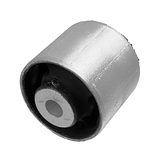 Lemförder Diff Mount 35923 01
35923 01
|
1 | Low stock |
$46.00
incl. GST
|
|
|
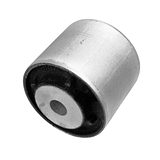 Lemförder Diff Mount 35932 01
35932 01
|
1 | Low stock |
$59.00
incl. GST
|
|
|
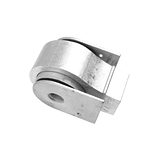 Lemförder Diff Mount 33264 01
33264 01
|
Rear | — | Out of stock |
$69.00
incl. GST
|
|
Read the guide
About Lemförder
Lemförder is the chassis brand of the ZF group and an original-equipment supplier of steering and suspension components to vehicle manufacturers. Chassis parts are where cheap replacements show up fastest: a control arm bush that goes soft changes the way the car tracks under braking, a tie rod end with play turns precise steering vague, and a collapsed engine mount sends every idle vibration into the cabin. These parts define how a car feels from the driver's seat.
We stock Lemförder engine mounts, such as the 39527 01, and transmission mounts, tie rod ends and inner tie rods, sway bar links, control arms and control arm bushes for the European makes we cover. Left and right, front and rear parts are often different part numbers, so use the vehicle selector to confirm TecDoc fitment and check the position stated on the product page before ordering.
Lemförder — common questions
Are Lemförder (Lemforder) engine mounts good?
Yes. Lemförder is the ZF group's chassis brand and an original-equipment supplier of steering and suspension components, and its engine mounts are built to the same brief: control engine movement while isolating vibration from the body. That balance is the hard part of the design, either too soft, so the engine rocks under load, or too hard, so idle vibration reaches the cabin. Lemforder without the umlaut is the same brand.
What are the symptoms of a worn engine or transmission mount?
A shudder or vibration at idle that you feel through the seat and steering wheel is the most common sign, followed by a clunk on take-off, when shifting between drive and reverse, or when lifting off the throttle. With the bonnet open, a worn mount lets the engine rock visibly when someone blips the throttle. Hydraulic mounts can also leak their fluid and collapse, leaving the engine sitting lower on one side.
What is the difference between a tie rod end and an inner tie rod?
The inner tie rod threads into the steering rack and pivots on a ball joint inside the rack boot; the tie rod end is the outer joint that connects to the steering knuckle at the wheel. Either can develop play, which shows up as a knock over bumps, vague steering, a wandering feel at speed or feathered tyre wear. Both need a wheel alignment afterwards, because the toe setting changes when they are disturbed.
When should sway bar links be replaced?
Sway bar links connect the ends of the anti-roll bar to the suspension, and their small ball joints take a beating on rough roads. The usual sign of wear is a rattle or knock from the front or rear over bumps at low speed, sometimes with a looser feel in quick direction changes. They are usually replaced in pairs, one each side, and the vehicle selector confirms the correct Lemförder link for your car.
Do I need a wheel alignment after replacing control arm bushes or control arms?
Yes. Control arms and their bushes locate the wheel, so replacing them changes camber, caster or toe by small amounts, and worn bushes have usually let the geometry drift already. A wheel alignment after the job restores the factory settings, protects the new tyres from uneven wear and makes sure the car tracks straight. The same applies to tie rods; sway bar links and engine mounts do not affect alignment.