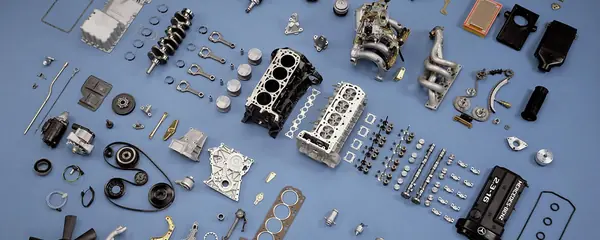
Ask who makes Mercedes-Benz parts and the honest answer is: mostly not Mercedes-Benz. Like every carmaker, Mercedes designs and specifies the car, builds the engines and bodies, and buys most of the rest — brakes, filters, mounts, wipers, sensors — from specialist suppliers who also sell the same or matching parts under their own names. That is where "genuine", "OEM" and "aftermarket" start doing a lot of work. Here is what each tier means, why the star-boxed part costs more, and how to spot OE quality.
01 Genuine, OEM and aftermarket: the three tiers defined
The terms describe who made the part and whose name is on the box — not how good it is.
- Genuine (Mercedes-Benz) — sold through the Mercedes-Benz dealer network, in star-branded packaging, under a Mercedes A-prefix part number. Most service parts were made by an outside supplier to the Mercedes specification and boxed for the dealer channel.
- OEM (original equipment manufacturer) — made by the same company that supplies that component to Mercedes-Benz, sold in the supplier's own packaging under its own part number. Same maker, same specification, different box and sales channel. In everyday Australian usage — and on this site — OEM means the OE supplier's own-brand part.
- Aftermarket — made by an independent manufacturer that does not supply that component to Mercedes-Benz. Quality runs from OE-matching parts from reputable brands down to budget parts built to a price; the word says nothing about quality on its own.
02 Who actually makes Mercedes-Benz parts?
Mercedes-Benz publishes no supplier list, so be wary of any claim that a particular brand made a particular Mercedes part number. What is well established is which companies are long-standing original-equipment suppliers to Mercedes-Benz. The brands stocked here fall into that group, with one exception:
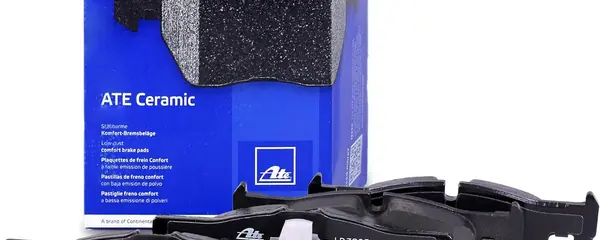
- ATE (Continental) — braking — German brake brand and long-standing OE brake supplier to European manufacturers: brake pads, brake discs (rotors), fluid and wear sensors. The ATE Brake Pad Set 13.0460-2786.2 is typical.
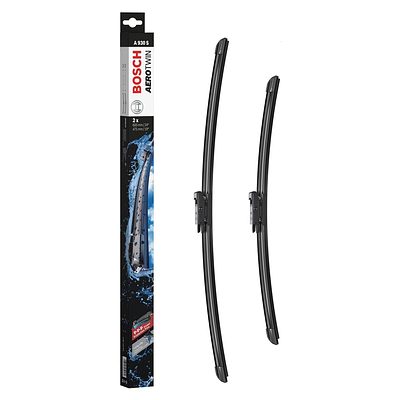
- Bosch — electrics and wipers — German automotive supplier and long-standing OE source of electrical and wiper components: ignition coils and Aerotwin wiper blades such as the A930S set.
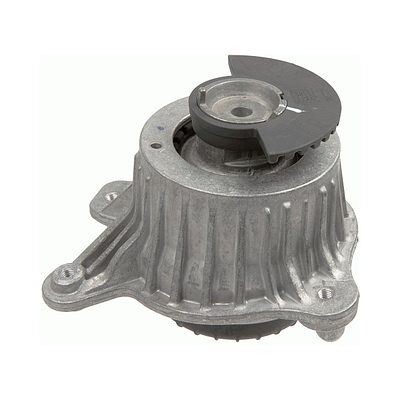
- Lemförder (ZF) — chassis — ZF's chassis brand and OE supplier of steering and suspension components: engine mounts such as the 39527 01, tie rods and control arm bushes.
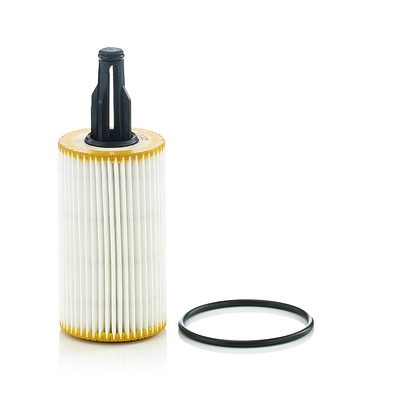
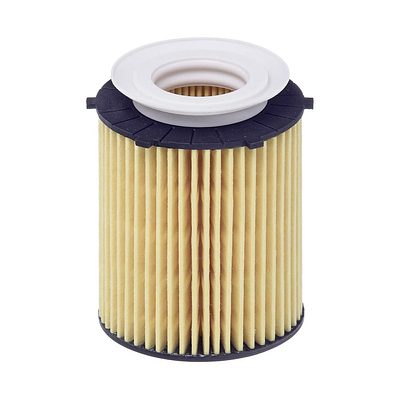
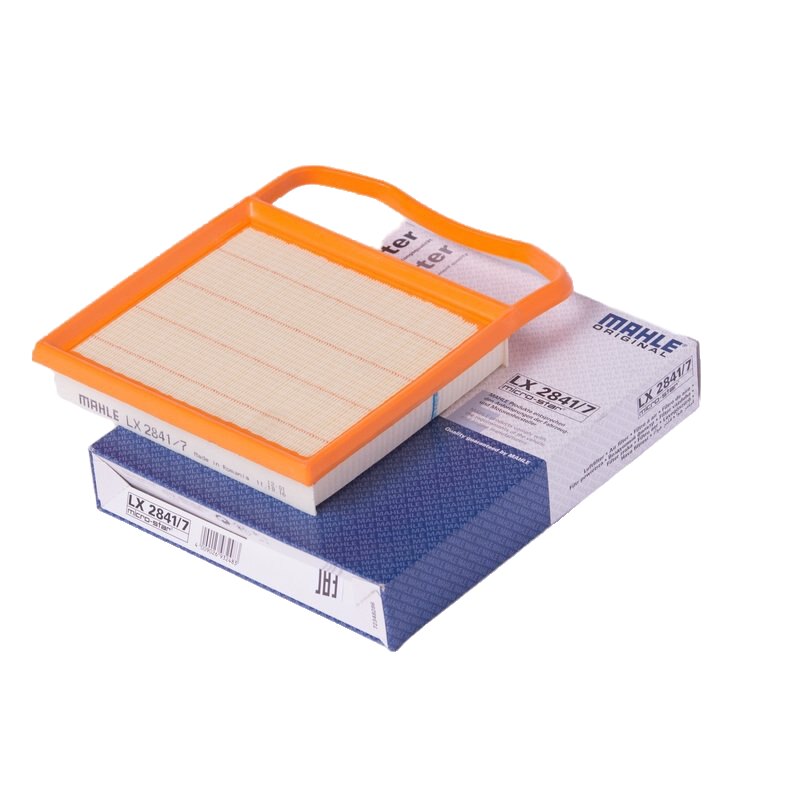
- MANN-Filter and Hengst — filtration — two German filtration specialists supplying European manufacturers as original equipment; compare the MANN-Filter HU 7025z and Hengst E818H D238 in the oil filter range.
- INA (Schaeffler) — belt and timing components — Schaeffler's engine-systems brand: timing chain tensioners such as the 551018610, belt tensioners and pulleys.
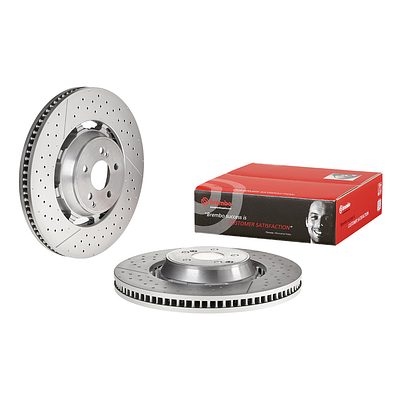
- Brembo and Zimmermann — braking — Brembo is the Italian brake specialist and OE supplier to performance and premium marques; Zimmermann is a German disc specialist known for Coat Z anti-corrosion coated rotors. Both are sold as pairs, such as the Brembo 09.B848.33 and Zimmermann 310mm 600.3215.20 sets.
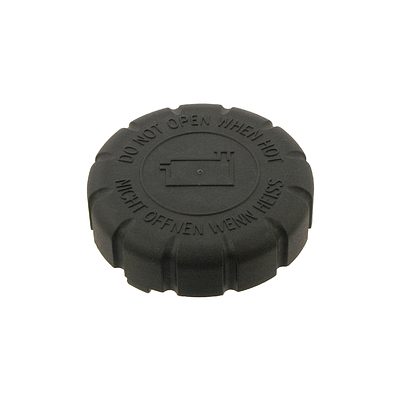
- Febi — OE-matching aftermarket — the exception. A German aftermarket brand of the bilstein group with a very wide range of small service parts, from coolant reservoir caps to sensors. It is not an OE supplier, and we list it as exactly what it is.
03 Is there a "real OEM" for Mercedes, and where are the parts made?
Strictly, the OEM is Mercedes-Benz. What people mean by the "real OEM" part is the supplier-branded version of what Mercedes fits or sells — an ATE pad rather than a star-boxed one. It exists for most wear and service items, but not for body panels, trim, glass with Mercedes markings or control units that need dealer coding, which are usually only available genuine.
On origin: Mercedes-Benz and its suppliers manufacture across Germany, the rest of Europe and plants worldwide, and one supplier may build the same part number in several factories. The country on the box says where that batch was made, not whether it meets the specification. Judge the part by the maker's name, part number and OE cross-reference — not the flag.
04 Are Mercedes parts expensive? Why genuine costs more
Genuine Mercedes-Benz parts carry a premium, and it is not because the steel or the friction material is different. The star-boxed price funds the dealer network, the branded packaging and the logistics of holding every part number for decades of models, and buys a single point of accountability if something goes wrong. The OEM part in the supplier's own box skips most of that overhead, which is why the same specification of pad or filter costs noticeably less without the star on the packet. Prices are shown on each product page, so you can compare like for like.
When genuine is worth it
- Coded electronics — control modules, keys and sensors that must be programmed to the car with dealer tools.
- Body, trim and colour-matched parts — anything where the finish has to match; OE suppliers rarely sell these under their own name.
- Parts with no own-brand equivalent — where the OE supplier does not sell to the independent market, genuine is the only route; that is why we stock items such as Mercedes-Benz Gleitpaste.
For the wear and service parts that make up most of a Mercedes' running costs — brakes, filters, mounts, belts, wipers — the OE supplier's part in its own box is the same maker's work at a lower price. Keep the invoice for any part fitted, whichever tier you choose.
05 How to tell an OE-quality part
- OE cross-reference numbers — a serious manufacturer publishes which Mercedes-Benz A-prefix part numbers its part replaces. Product pages here list the brand's part number and the OE references it covers, so you can match the number on your old part or invoice.
- Part-number format — OE suppliers use structured numbering: ATE's 13.0460 pad series, MANN-Filter's HU and C series, Hengst's E…H D… filters. A number that does not follow the brand's scheme is a warning sign.
- ECE markings on brake parts — replacement pads and rotors approved for sale in Europe carry an ECE approval mark, an E in a circle with a country code and approval number, etched into the rotor or printed on the pad backing plate. Its absence on a branded brake part is a reason to walk away.
- Packaging — current brand artwork, a batch code, and the part number on both box and part. Mismatched labels and generic white boxes are the usual tells of counterfeit stock.
Whatever tier you choose, pads, rotors, fluid and wear sensors should be fitted, bedded in and checked by someone competent. If in doubt, consult your owner's manual and a qualified mechanic.
06 Aftermarket Mercedes parts in Australia: where we stand
CarParts.com.au stocks two tiers, deliberately: OEM parts from the original-equipment suppliers above, and OE-matching parts from established brands such as Febi that build to OE specification and publish cross-references. We label each brand for what it is.
The vehicle selector — make, model, variant — narrows every category to parts with TecDoc-confirmed fitment for Australian-market cars, and each product page shows a "fits your vehicle" confirmation and compatible-vehicle table alongside the OE numbers. Australian-delivered Mercedes do not always match their European equivalents, so rely on the selector rather than a European catalogue. Orders ship Australia-wide from Melbourne; the delivery estimator on each product page shows the options for your postcode. Start at the Mercedes-Benz parts hub, browse the other guides, or contact us with a part number you want checked.
FAQ Common questions
Who makes Mercedes-Benz parts?
Mercedes-Benz designs its cars and builds the engines and bodies, but most service components come from specialist suppliers: brakes from companies such as ATE, filtration from MANN-Filter and Hengst, chassis parts from Lemförder, electrics and wipers from Bosch, timing components from INA. Those suppliers sell the same or matching parts under their own brands, which the trade calls OEM parts.
Is there a real OEM for Mercedes-Benz?
Strictly, the OEM is Mercedes-Benz itself. What people mean by "real OEM" is the supplier-branded version of the part Mercedes fits or sells, in the supplier's own box. It exists for most wear and service items such as pads, rotors, filters and mounts, but not for body panels, trim or coded electronics, which are generally only available genuine.
Are Mercedes parts expensive?
Genuine parts from a dealer carry a premium that reflects the dealer network, branded packaging and the cost of stocking every part number across decades of models. The OEM equivalent in the supplier's own box avoids most of that overhead, which is why it is the usual choice for brakes, filters, mounts and other service items. Prices are shown on each product page.
Can I use aftermarket parts on my Mercedes in Australia?
Yes, provided the part is built to the OE specification and confirmed to fit your variant. OEM parts from the original-equipment suppliers are the safest route; reputable OE-matching aftermarket brands are a sound alternative for many service items. For safety-critical parts such as brakes, have the work done or checked by a qualified mechanic and keep the invoice.