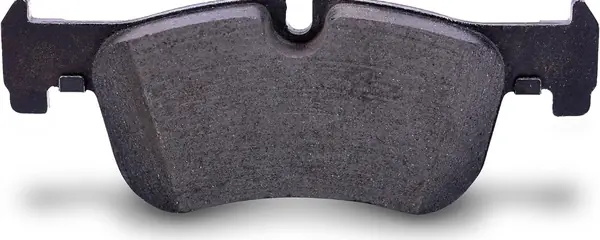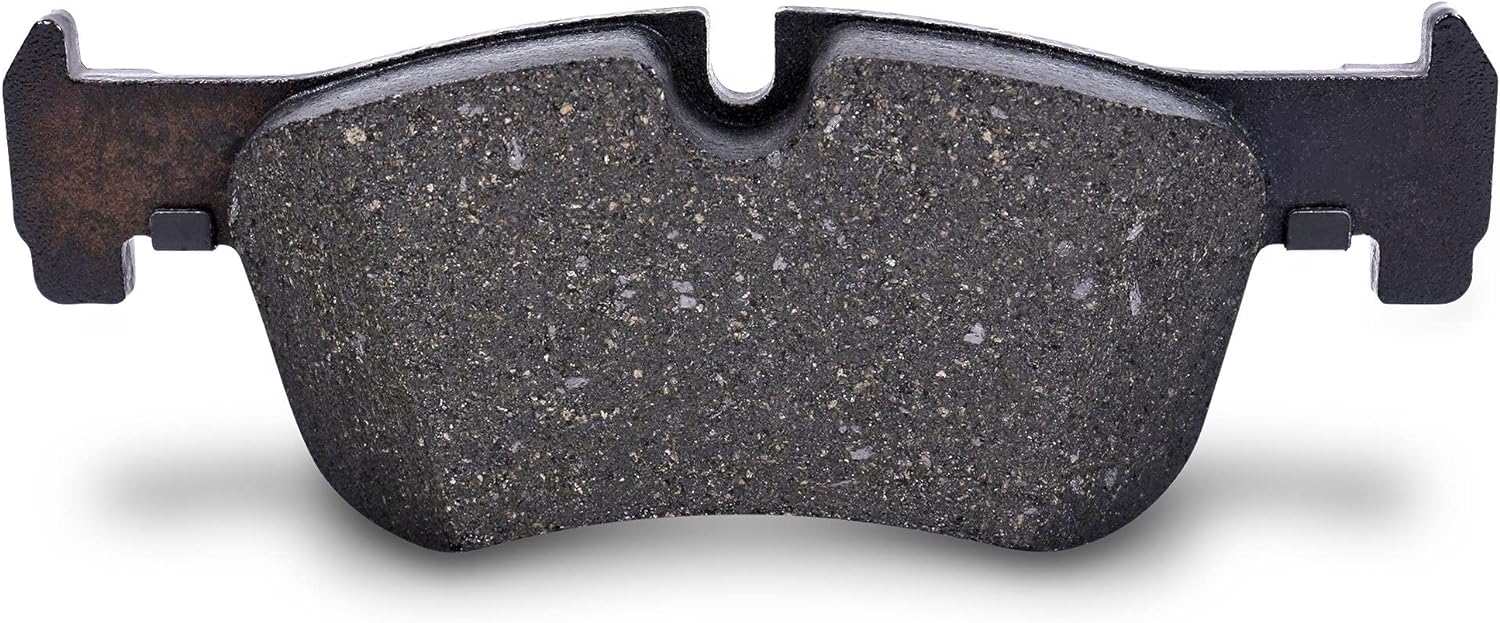
Mercedes-Benz brakes are well engineered, but pads, brake discs (rotors), fluid and rubber seals still work hard in Australian heat, and each has a way of telling you when something is wrong. Here are the ten Mercedes brake problems we hear about most, with the likely cause and fix for each, and what prevents most of them.
01 Ten common Mercedes brake problems, symptom by symptom
1. Brakes squeaking or squealing
- Likely cause — Dew or surface rust on the rotors (normal, gone in a few stops), glazed pads and dust, pads fitted without grease, or a wear tab touching the rotor because the pad is nearly finished.
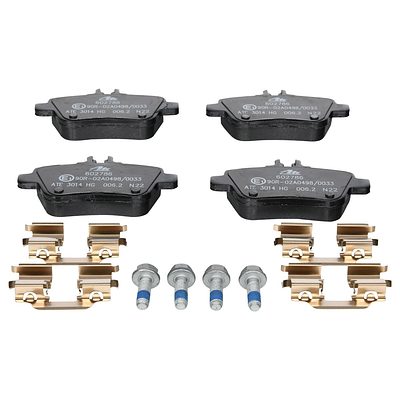
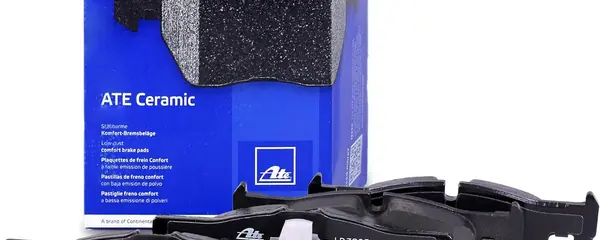
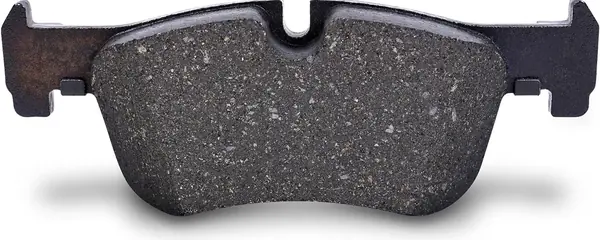
- Fix — If it persists, pull the wheels: check pad thickness, clean the bracket, grease the pad backs and ears. Replace thin pads as an axle set; ATE Ceramic pads are the usual choice for a quieter, cleaner result.
2. Grinding under braking
- Likely cause — The friction material is gone and the steel backing plate is machining the rotor. A stone behind the dust shield grinds constantly, not only when braking.
- Fix — Stop driving on it. Metal-on-metal scores a rotor within kilometres, so the job is new pads, a pair of rotors and a wear sensor.
3. Brake judder or pulsation
- Likely cause — Uneven rotor thickness rather than a truly warped disc: pad material deposited unevenly on a hot rotor, a sticking caliper, or wheel bolts tightened unevenly.
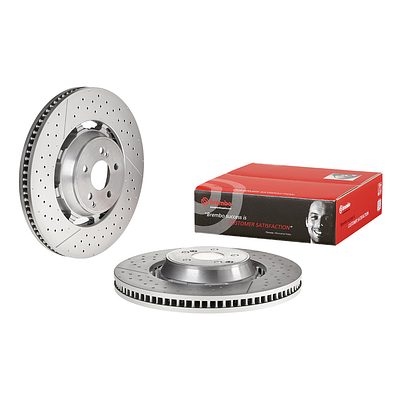
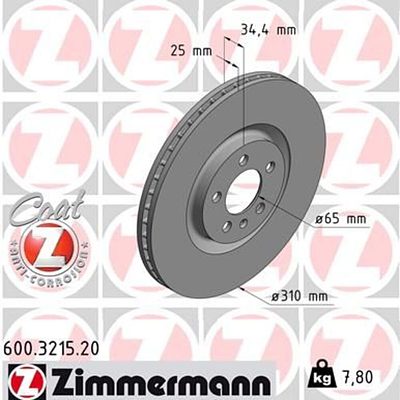
- Fix — Measure the rotors. Near minimum or scored, fit a new pair such as a Brembo or Zimmermann set with new pads, bed them in, and torque the wheel bolts in a star pattern.
4. Pulling to one side under braking
- Likely cause — One caliper doing less work: seized slide pins, a piston sticking in a corroded bore, or a brake hose collapsed inside.
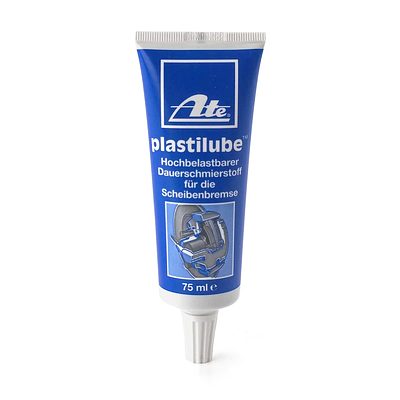
- Fix — Strip, clean and lubricate the slide pins with a rubber-safe grease such as ATE Plastilube, replacing torn boots. A sticking piston or collapsed hose is a workshop repair.
5. Soft or spongy pedal
- Likely cause — Air or vapour in the system. Old, water-laden fluid boils at a lower temperature, and vapour compresses where fluid does not. A leak feels the same and is more serious.
- Fix — Check the reservoir and each wheel for wetness. Old fluid gets a full flush and bleed (section 02). A sinking pedal with no leak means the master cylinder: workshop.
6. Hard pedal, weak braking
- Likely cause — Lost assistance from the vacuum booster, its check valve or the vacuum pump. On 2000s models with electro-hydraulic SBC, a hard pedal with a red warning means fallback mode.
- Fix — Booster, pump and SBC faults are all workshop diagnostics.
7. Brake warning light
- Amber "Check brake pads" — A pad's wear sensor has worn through and closed the circuit; that axle's pads are near the end. Replace them soon with a new wear sensor, which on Mercedes is a single-use contact.
- Red brake warning — Low reservoir, a hydraulic fault, or the parking brake still applied. Never top up a low reservoir and forget it.
8. ABS or ESP light stays on
- Likely cause — A wheel speed sensor or its wiring, a cracked or dirty reluctor ring, or a fault logged during a low-battery episode.
- Fix — Have the codes read; they name the corner, and a sensor swap is straightforward. A hydraulic unit fault is a workshop job. Braking still works, but leave a longer gap.
9. Handbrake will not hold, or drags
- Likely cause — Most Mercedes park on small shoes inside the hat of each rear rotor; the shoes wear, the adjuster seizes or the cable stretches. Electric parking brakes more often have a motor or calibration fault.
- Fix — Adjust or replace the shoes when the rear rotors come off. Electric parking brakes need a diagnostic tool for service mode, including for pad changes.
10. Pads or rotors wearing out early
- Likely cause — A caliper not releasing, pads fitted to worn rotors, the wrong pad for the car, or driving style. Tapered wear means a binding slide pin; heavy inner-pad wear means a sticking piston.
- Fix — Correct the caliper, fit pads and rotors as a matched set, and use the vehicle selector to confirm the right specification. ATE standard pad sets are the OE-style choice for daily driving.
Metal grinding, a pedal that sinks to the floor, a red brake warning with a low reservoir, or a hard pull under braking. None of these improve on their own. Brakes are safety-critical: when in doubt, have a qualified mechanic inspect the car.
02 Brake fluid: why it absorbs water and when to flush
Brake fluid is the most neglected part of a Mercedes brake service. DOT 4 and DOT 5.1 are glycol-based and hygroscopic: they draw moisture from the air through the reservoir breather and hoses. Water lowers the boiling point, so a hard stop or long descent can vaporise the fluid in the caliper (problem 5), and it corrodes the ABS unit from the inside.
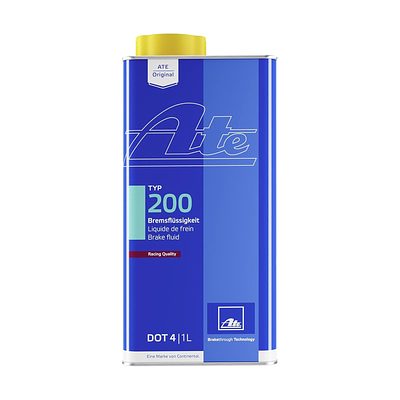
- DOT 4 — The usual Mercedes specification. ATE SL.6 is a low-viscosity DOT 4 made for cars with ABS and ESP; ATE TYP 200 suits harder use such as track days and towing.
- DOT 5.1 — The same chemistry held to higher minimum boiling points and lower viscosity. ATE SUPER DOT 5.1 can be used where DOT 4 is specified and mixes safely with it; silicone-based DOT 5 cannot.
- When to flush — Commonly every two years regardless of distance, since absorption continues even when parked; the owner's manual has the final word. Full range: brake fluid.
03 Brake grease: the cheapest fix for squeal and uneven wear
Half the problems above trace back to parts that should slide and no longer do: a pad in its bracket, a caliper on its pins. Dry, corroded contact points cause squeal, tapered wear and pulling.
- Slide pins — Need a grease that will not swell the rubber boots: ATE Plastilube or Mercedes-Benz Gleitpaste, not copper anti-seize, which attacks rubber.
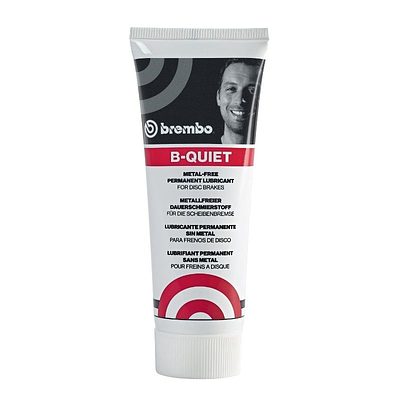
- Pad backs and ears — A thin film of Brembo B-Quiet where the backing plate meets the piston and caliper fingers, and on the pad ears, damps the vibration that becomes squeal.
- Never on the friction face — Grease on a pad or rotor face means a contaminated pad. Keep everything in the brake grease range away from working surfaces.
04 When Mercedes brake repair is a workshop job
Pads, rotors, wear sensors, slide pins and a fluid change are within reach of a careful home mechanic with a torque wrench and a workshop manual. These are not:
- Hydraulics — Master cylinder, hoses, hard lines and any leak. Botched bleeding can trap air in the ABS unit.
- Electronics — ABS and ESP faults, SBC, and electric parking brakes that need a diagnostic tool before the rear pads will come out.
- Anything you cannot measure — Without a micrometer for rotor thickness or a torque wrench for caliper bolts, let a workshop do it.
Either way, use the vehicle selector on any brakes category page to filter to parts with confirmed fitment for your Mercedes, and check the compatible-vehicle table on the product page before ordering. Unsure which option applies? Contact us with the VIN.
FAQ Common questions
Why do my Mercedes brakes squeak first thing in the morning?
Overnight dew leaves a film of surface rust on the rotors, and the first few stops scrape it off. That is normal. A squeal that continues once the brakes are warm is different: check pad thickness and glazing, and whether the contact points were greased at the last service. Dry hardware is a more common cause than worn pads.
Can I mix DOT 4 and DOT 5.1 brake fluid?
Yes. Both are glycol-based and compatible, and DOT 5.1 meets a higher minimum specification, so it can go where DOT 4 is called for. Mixing dilutes the benefit, so a full flush beats a top-up. Never mix either with silicone-based DOT 5. Check the owner's manual for the grade and interval your model specifies.
How long can I drive after the brake pad warning light comes on?
It varies with the car and how you drive, so treat it as a prompt to inspect the pads within days, not weeks. The sensor triggers with a small amount of friction material left, and on Mercedes it is a single-use contact replaced with the pads. Ignore it and you end up replacing rotors too.
Do I need to replace the rotors when I replace the pads?
Usually, but not always. Rotors carry a minimum thickness marking; near it, scored, or lipped at the outer edge, they make new pads wear quickly and often judder. Rotors are replaced in pairs across an axle so both sides brake evenly. If they measure well above minimum and are smooth, pads alone are reasonable.